How Attic Ventilation Installation Prevents Winter Moisture
Winter in the Blue Mountains brings picturesque alpine vistas, but it also introduces harsh temperature drops and persistent atmospheric dampness. When indoor heating systems run consistently during the colder months, warm, moisture-laden air naturally rises into attic spaces. Without professional attic ventilation installation, this trapped vapor encounters freezing roof decking, leading to severe condensation, wood rot, and structural decay. Implementing modern, customized roof ventilation ensures that indoor humidity is expelled before it compromises your home's thermal envelope.
The Mechanics of Winter Moisture Accumulation
During winter, daily household activities such as cooking, bathing, and heating generate considerable amounts of water vapor. Through stack effect dynamics, this warm air travels upward through ceiling penetrations, light fixtures, and unsealed access hatches. When this humid air enters an unconditioned attic, it comes into contact with cold structural timber, roof underlayment, and metal fasteners.

As the air cools to its dew point, liquid moisture forms across rafters and the underside of the roof deck. In sub-freezing temperatures typical of high-elevation regions like the Blue Mountains, this condensation freezes into frost. When temperatures rise during the day, the frost melts, saturating insulation and fostering toxic mold growth. Incorporating advanced ventilation techniques ensures steady, passive airflow that continuously flushes moisture-rich air out of the building structure before it can condense.
Key Protective Benefits of Winter Roof Ventilation
Proper balance between air intake and exhaust maintains roof deck temperatures close to outdoor ambient levels. This temperature equalization is essential for safeguarding your property throughout the winter months:
- Preventing Structural Rot: Continuous airflow stops moisture from settling into wooden trusses, joists, and sub-roofing materials, avoiding the need for premature structural restoration.
- Preserving Insulation Performance: Damp or saturated attic insulation loses its thermal resistance (R-value), driving up seasonal heating costs and stressing residential heating systems.
- Mitigating Mold and Mildew: Controlling relative attic humidity eliminates the damp environment required for fungal colonies to thrive and migrate into living spaces.
- Protecting Exterior Roof Finishes: By balancing internal roof temperatures, proper venting protects against internal moisture bubbling beneath materials during asphalt shingle replacement or complete roof installation projects.
Integrating Ventilation with Comprehensive Roof Maintenance
Ventilation should never be evaluated in isolation. In high-altitude climates, an integrated roof management strategy pairs comprehensive roof venting with seasonal inspections and targeted upkeep. Addressing failing https://alexiskahg830.opalvector.com/posts/attic-heat-reduction-strategies-for-hot-blue-mountains-summers intake grates or compromised ridge baffles through prompt attic ventilation repair protects the entire roofing system from environmental stress.
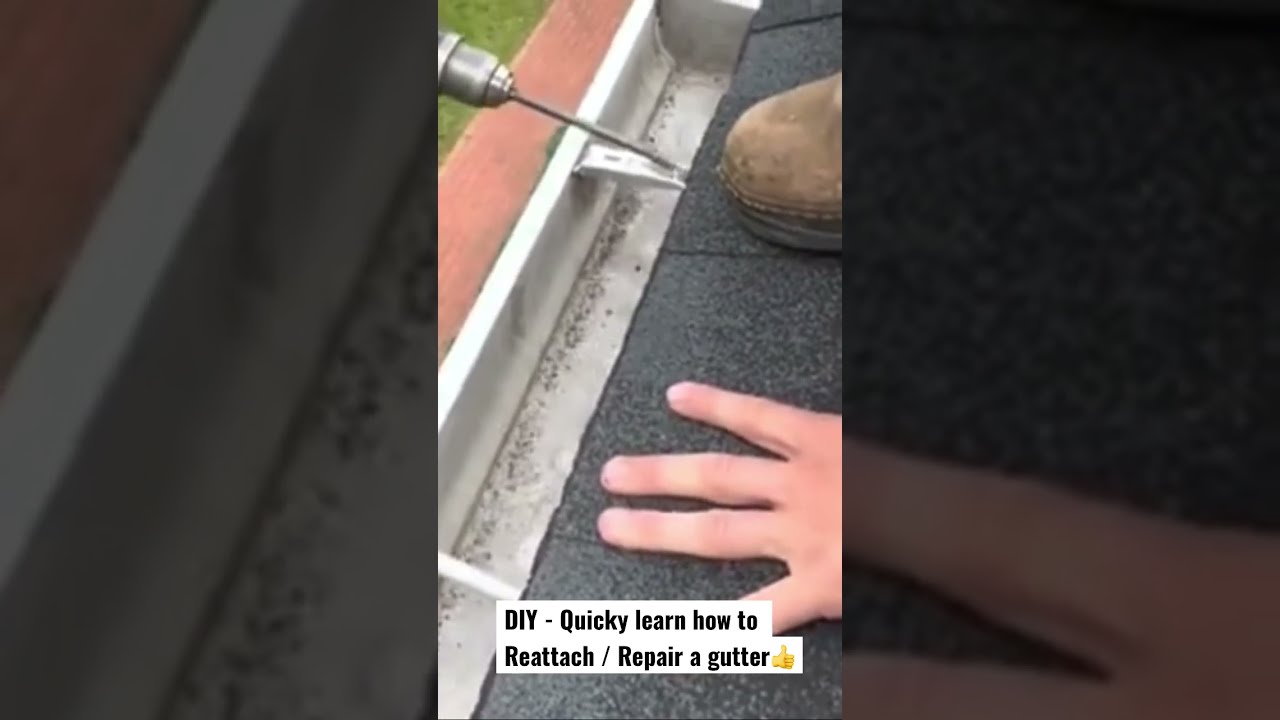
Property owners should also verify that exterior drainage works in tandem with roof assemblies. Installing advanced gutter solutions and managing damaged gutter repair prevents perimeter snow and ice backups from impeding soffit airflow. Whether your property requires certified roof repair, routine soffit clearing, or a complete roofing replacement, establishing a balanced intake and exhaust profile remains the frontline defense against silent winter water damage.
Steps to Achieve an Optimized Attic Airflow System
Executing an effective ventilation upgrade in 2026 requires precise calculations and certified building practices tailored to regional climate demands:
- Evaluate Net Free Ventilating Area (NFVA): Building standards generally require a balanced 1:300 or 1:150 ratio of vent area to attic floor space, evenly divided between intake and exhaust.
- Clear Continuous Intake Pathways: Install attic baffles or rafter vents to guarantee that insulation materials do not block soffit vents.
- Seal Indoor Bypass Routes: Ensure weatherstripping and air-sealing around attic hatches, recessed lighting, and plumbing stacks prevent excess home humidity from migrating upward.
- Schedule Comprehensive Roof Maintenance: Routine inspections identify blocked vents, displaced ridge caps, or flashing defects before winter storms arrive.
Investing in precision attic ventilation installation protects your residential asset, improves energy efficiency, and prevents costly structural degradation throughout the rigorous Blue Mountains winter season.
Top Roofer Blue Mountains
Old Bathurst Rd, Blaxland NSW 2774, Australia
(02) 4703 9006